Types of Title Deeds in Kenya
Kenya has four main types of title deeds, governed by different laws under the Land Registration Act, 2012. Each type is issued depending on the history, location, and legal status of the land.

1. Freehold Title Deed (Absolute Ownership) Most Searched Keywords: freehold land, land for sale in Kenya, land investment A freehold title deed grants the owner absolute and unlimited rights to the land and anything permanently attached to it (e.g., buildings). This is the most secure and desirable type of ownership for any investor. Key Features: Ownership is permanent. The land can be sold, leased, subdivided, or developed without time limitations. Common in rural areas and some peri-urban regions. Advantages: No annual rent payments to the government. High resale and development value. Ideal For: Residential development, long-term investment, and farming.
Types of Title Deeds in Kenya
2. Leasehold Title Deed Most Searched Keywords: leasehold land, Nairobi property, property for lease A leasehold title deed grants ownership for a fixed period—usually 99 years or 33 years—after which the lease may be renewed or reverted back to the government. Key Features: - Common in urban areas like Nairobi, Mombasa, and Kisumu. - The land remains owned by the government or local authority. - The leaseholder must pay ground rent annually. Advantages: - Still allows full usage and development rights for the lease term. - More affordable in prime urban areas compared to freehold land. Important Note: Investors should check lease expiry dates and verify whether renewals are possible before buying.
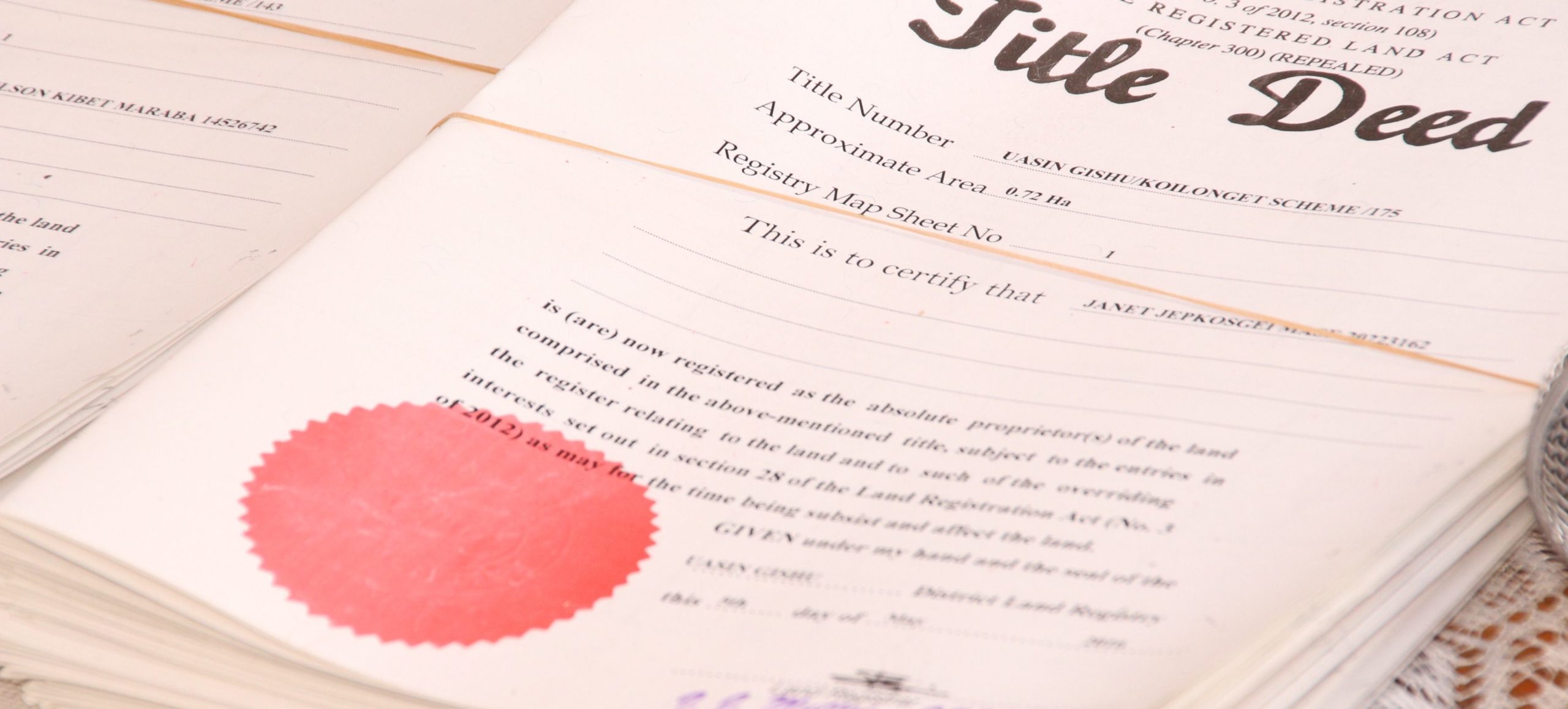
3. Certificate of Lease This is a specific type of leasehold title issued under the Registered Land Act (Cap 300) and commonly used for: - Apartments (Sectional Properties) - Commercial buildings - Land under controlled development Key Features: - Indicates a leaseholder’s right over a portion of a larger property. - Often used in real estate developments and gated communities. Ideal For: Buying apartments or commercial space in buildings.
4. Certificate of Title Issued under the Registration of Titles Act (RTA) (now repealed but still in effect for some parcels), this type of title applies to old land registration systems, especially in areas like Coast Province, parts of Nairobi, and Lamu. Key Features: - Recognized under the current Land Registration Act. - Indicates complete ownership of the land or property. Note: Most of these are being converted to the new Unified Title System under the National Land Information Management System (NLIMS).
How to Verify a Title Deed in Kenya. Before purchasing any property, conduct a land search at the local Lands Registry or via the e-Citizen portal. This will show: - True ownership - Existing encumbrances (e.g., loans or court cases) - Land size and location Tip: Always involve a licensed conveyancing lawyer and surveyor. Common Red Flags to Watch Out For. - Fake title deeds: Always countercheck with the Lands Registry. - Double allocation: Especially in areas with multiple owners or past disputes. - Land with caveats: May not be transferable without court clearance.
Understanding the different types of title deeds in Kenya is essential when purchasing land or property. Whether you're a first-time buyer, an investor looking for returns, or planning to develop your dream home, make sure the land has a clean, verifiable, and legally sound title deed. Investing in real estate is one of the best long-term investment opportunities in Kenya, and with the right knowledge, you can avoid scams and secure your future. Need Help Buying Land in Kenya? Whether you're searching for plots for sale in Nairobi or affordable investment options in Kenya, our team of real estate experts is here to guide you. Contact us today for a free consultation and property tours.

Arnold Eboso
Digital Lead Strategist ParmaPro Realty.
Leave a comment